Craniosacral Osteopathy
Craniosacral osteopathy is a light-touch technique that works with the head, spine and sacrum. It suits people who prefer very gentle treatment, and it is one of the osteopathic techniques we use at Back to Health, including for patients looking for craniosacral therapy in Vaughan.
When craniosacral osteopathy is used
These are the situations in which people most often choose it. Craniosacral therapy is gentle, but it is still a treatment. We always ask about your health first and tell you honestly if another approach, or a visit to your doctor, is the better starting point.
Headaches and Head Tension
Tension headaches, a feeling of pressure in the head or tightness at the base of the skull. Light holds around the head and upper neck can help ease the tension that often keeps these headaches going.
Stress and Poor Sleep
When stress keeps your body on alert, it can show up as tight muscles, shallow breathing and restless nights. A craniosacral session is slow and quiet, and its aim is to help your body shift out of that state and relax.
Neck and Jaw Tension
A stiff neck, clenching and jaw discomfort often go together. Gentle work on the skull, jaw and upper neck can ease that tension and pairs well with dental and orthodontic osteopathy.
When Stronger Techniques Are Not Suitable
After an injury, during a painful flare-up, in later life, or when you simply dislike firm pressure, stronger joint and soft tissue techniques may not be right. Craniosacral osteopathy offers a very gentle alternative.
What a session feels like
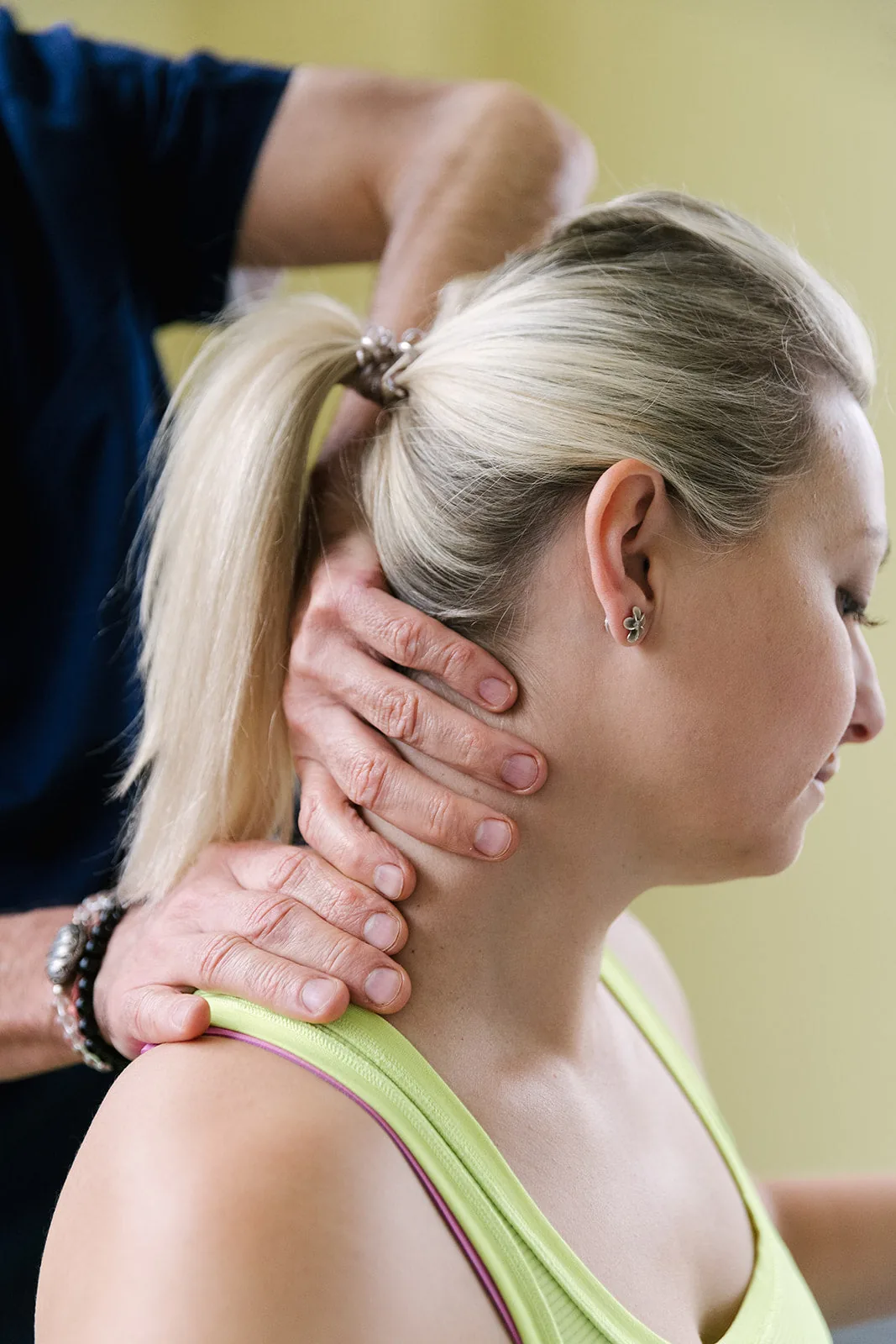
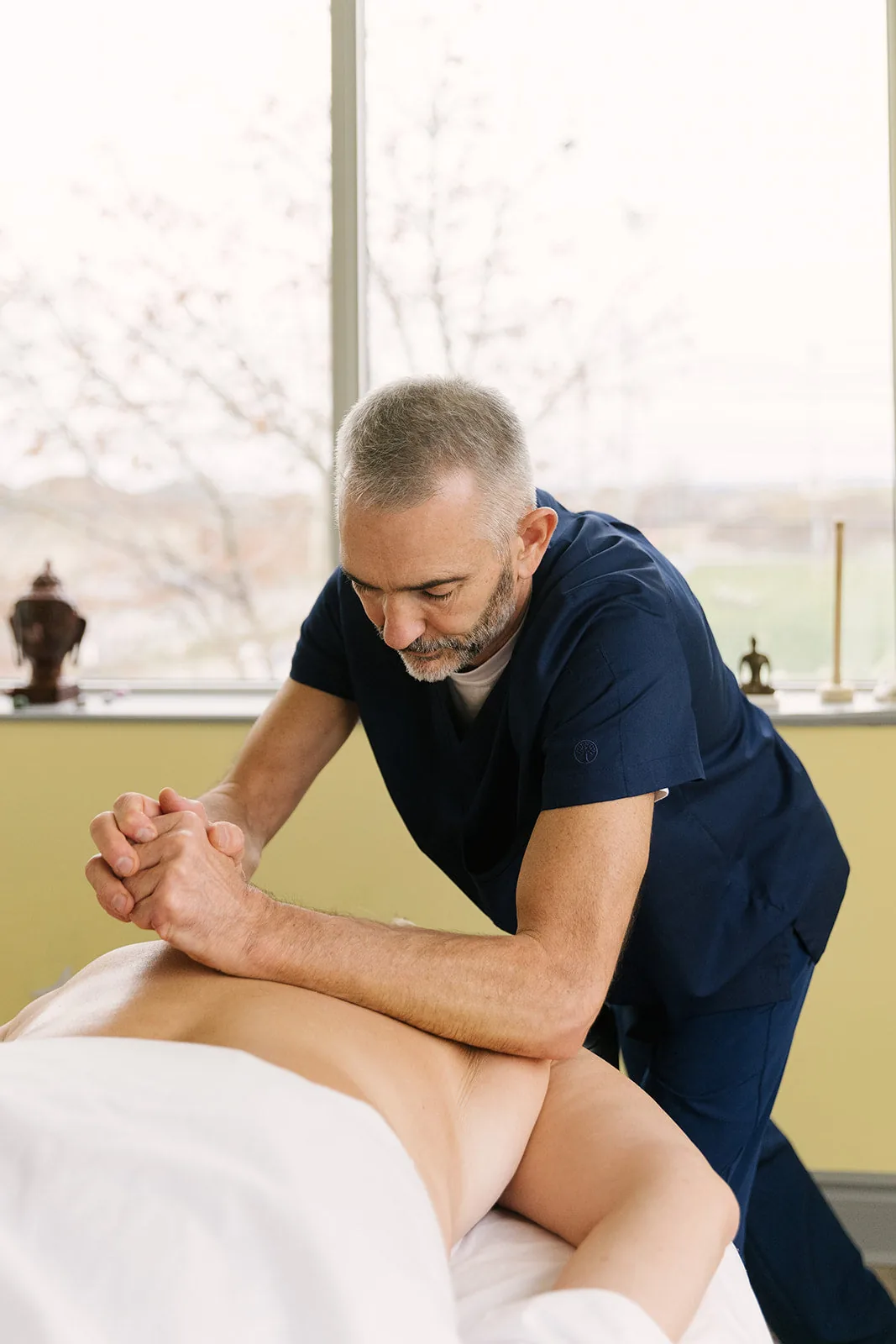
You stay fully clothed and lie comfortably on the treatment table. Your practitioner places their hands lightly on your head, the back of your neck, along your spine or on your sacrum, the flat bone at the base of the spine, and holds each position quietly while they feel for areas of tension. Most of the session is still and calm, with very little movement.
The touch is very light. You may notice warmth, a sense of softening or simply feel calm, and some people drift off. You can talk or ask questions at any time, and your practitioner adapts to your comfort. Afterwards, drink water and keep the rest of the day easy while your body settles.
Craniosacral work is part of our osteopathic toolkit, so your practitioner may use it for a whole session or combine it with visceral techniques or gentle joint work. Had a recent head injury? Tell us first: new or worsening symptoms need a doctor, and our physiotherapist offers concussion care.
Craniosacral osteopathy is booked as a standard osteopathy visit for now, so your first appointment is the 60-minute assessment and treatment: $160 in Maple and $150 in Alliston. Because it is booked as osteopathy, it is receipted and billed as osteopathy for your extended health plan. Follow-up prices are on our fees and insurance page. [TBC: practitioner(s) offering craniosacral osteopathy and at which clinic]
Book craniosacral osteopathy
Book online, or call (289) 252-3166 to ask whether a very gentle approach suits you. Craniosacral work is one of the types of osteopathy we offer, so your practitioner can combine it with other techniques when that helps.
Common questions
Does osteopathic treatment hurt?
Osteopathy is usually gentle and non-invasive. Techniques range from light holds to slow stretches and joint movements, and your practitioner adjusts the pressure to your comfort. Tell them at any time if something feels uncomfortable. After treatment, drink water and avoid strenuous activity for the rest of the day while your body adapts, and follow the home care advice you are given.
Is my treatment covered by extended health benefits?
Many extended health plans cover registered massage therapy (RMT), physiotherapy, psychotherapy (RP) and registered dietitian (RD) services. Osteopathy is covered by some plans, depending on your policy. Limits and rules differ from plan to plan, so check your benefits booklet or call your insurer before your visit. We are happy to help you work out what your plan includes.
What happens at my first visit?
Your first appointment starts with a conversation about your health history, symptoms and goals. Your practitioner then assesses how you move and where the problem may come from, starts treatment when it is appropriate and explains what they found. You leave with a plan: suggested next visits and simple exercises or advice for home. First osteopathy and massage visits usually last 60 minutes.
How is it different from general osteopathy?
General osteopathy uses a wide range of techniques, from soft tissue work and stretches to joint movements. Craniosacral osteopathy is one of the gentlest of them: slow, quiet holds on the head, spine and sacrum with very light pressure. Many sessions combine both, and your practitioner chooses the mix after your assessment. Learn more about osteopathy.
Is it suitable for children?
Light-touch techniques are well suited to young patients. For newborns and infants we offer pediatric osteopathy, adapted to the youngest patients, with a parent present throughout. For older children, call us and we will talk through whether craniosacral osteopathy is a good fit.