Pelvic Health Physiotherapy for Women and Men in Maple (Vaughan)
Discreet, one-on-one pelvic floor physiotherapy in Vaughan for women and men, with a registered physiotherapist trained in pelvic health. Every session takes place in a private treatment room, and nothing happens without your informed consent.
What pelvic health physiotherapy treats
Pelvic floor problems are common in women and men, yet many people wait years to ask for help, out of embarrassment or the belief that it is just part of ageing or having children. Much can be done, and you do not have to manage it alone.
For Women: Pregnancy, Postpartum Recovery and Pelvic Organ Prolapse
Pregnancy, labour and delivery change the pelvic floor, and we support you before and after childbirth with perineal healing, scar tissue care and restoring pelvic floor function. Treatment can also ease the discomfort of bladder, uterine or rectal prolapse and may help stop it progressing.
For Men: Recovery After Prostate Surgery, Pelvic Pain and Urgency
Pelvic floor training to help you regain bladder control after prostate surgery, plus care for urgency, frequency and long-standing pelvic pain. Every session is one-on-one, with the same privacy and consent as for every patient.
For Everyone: Incontinence, Pelvic Pain and Painful Intercourse
Leaking when you cough, laugh or exercise, sudden urges, bowel control problems or constipation linked to the pelvic floor, and pelvic pain, including pain during intercourse. Treatment works on muscle tension, weakness and coordination.
What happens at your first visit
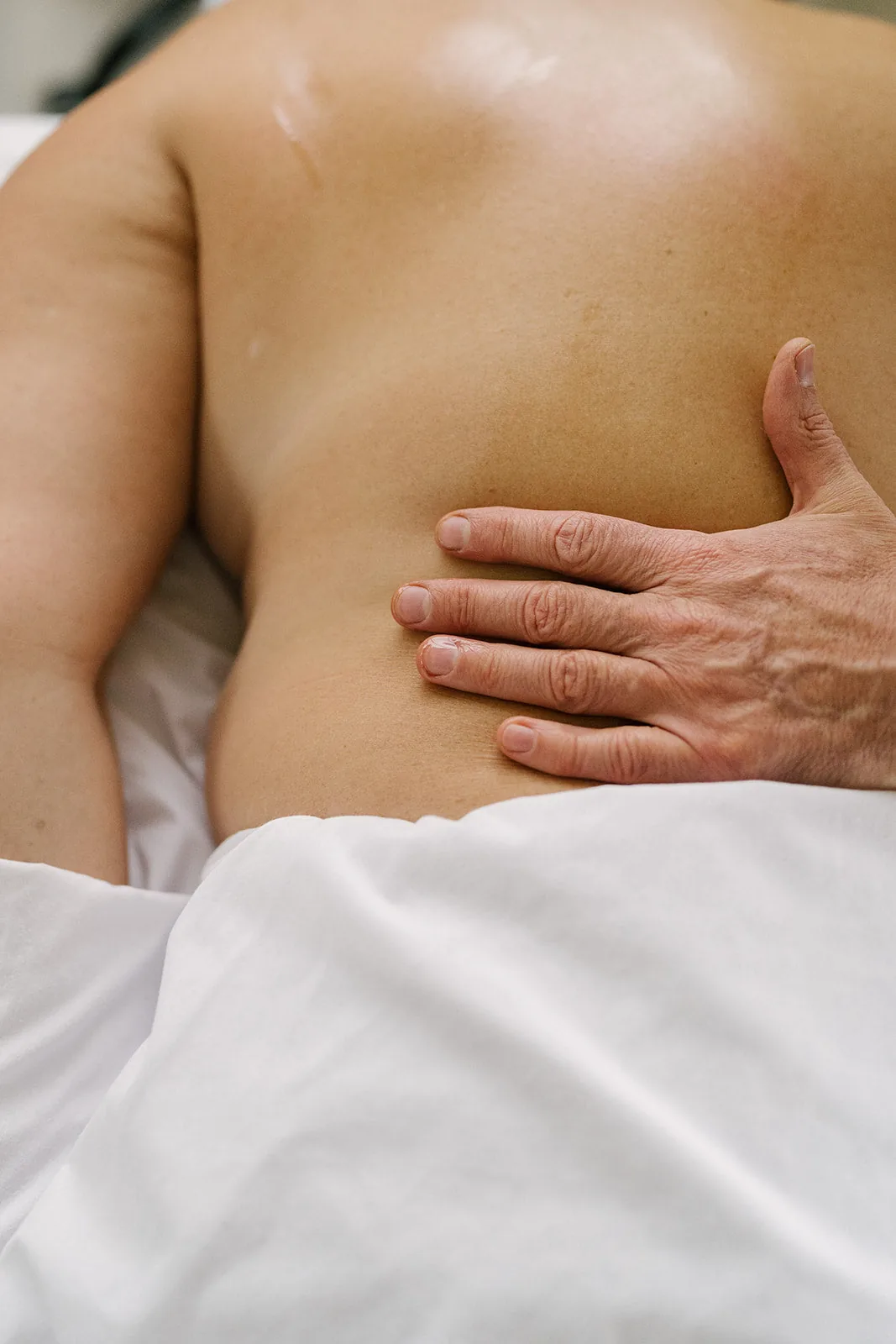
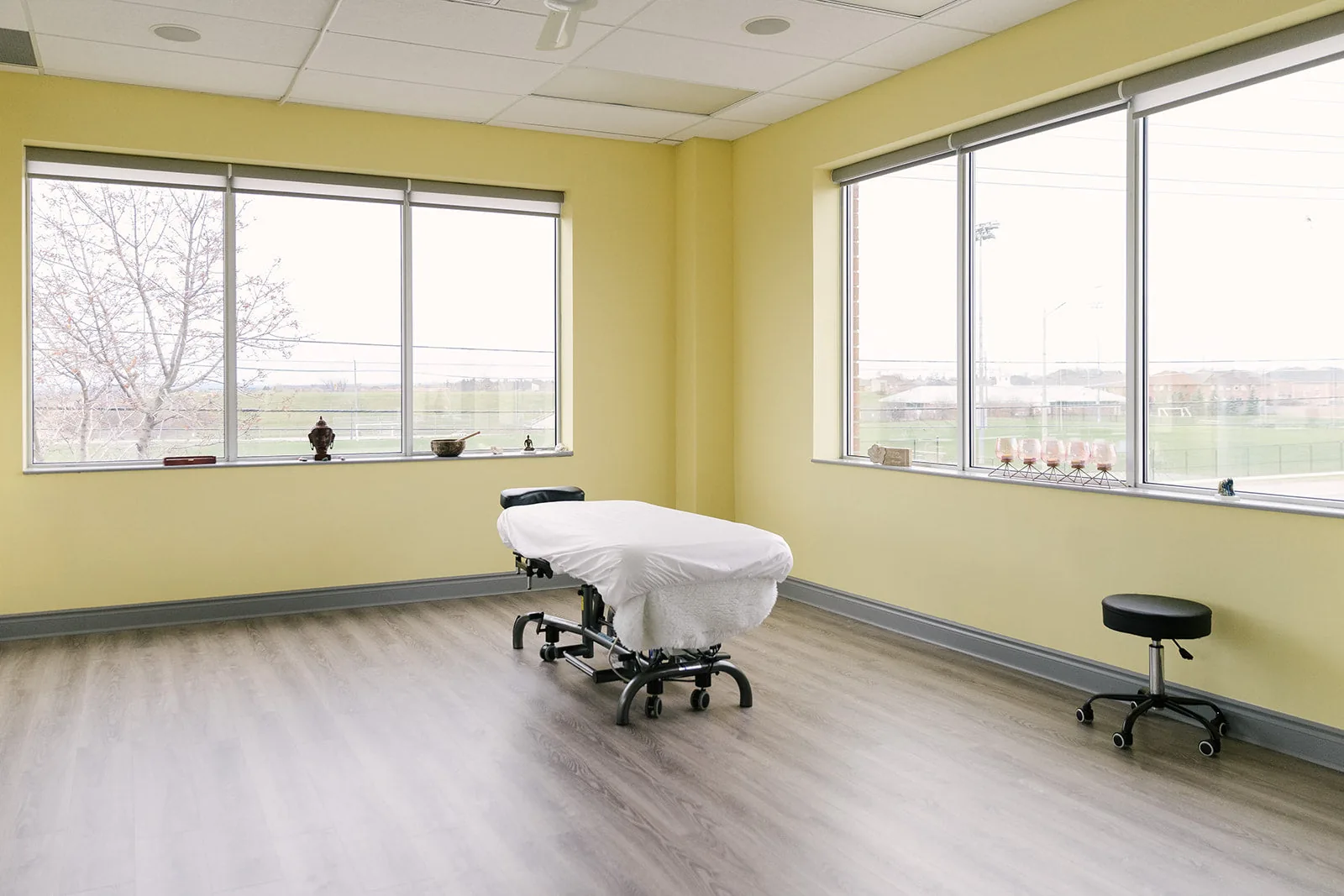
Your first appointment is a 60-minute assessment with a registered physiotherapist in a private room at our Maple clinic. You stay in control at every step: each part is explained before it happens and only goes ahead with your consent.
Step 1: A private conversation
We start by talking about your health history, symptoms and goals. You share what you are comfortable sharing, and you can ask any question along the way.
Step 2: An assessment you agree to
Your physiotherapist explains which checks would help, such as how your pelvic floor muscles contract, relax and coordinate. An internal exam is only suggested when it adds useful information, and you can decline or stop at any time.
Step 3: Treatment that fits you
Care may include external or internal manual therapy, pelvic floor muscle training, biofeedback, bladder retraining and lifestyle advice. Treatment can still go ahead without internal techniques.
Step 4: A clear plan
You leave knowing what we found, what the plan is and what to practise at home, including pelvic floor exercises for strength, endurance, coordination or relaxation, with follow-up visits planned around your needs.
Your pelvic floor, your comfort, your choice
Your pelvic floor is the group of muscles, ligaments and connective tissue at the base of the pelvis. It supports bladder and bowel control, sexual function, core stability and posture, and helps hold your pelvic organs in place. When these muscles become weak or too tight, symptoms can follow, and targeted pelvic floor physiotherapy can help.
Feeling nervous before a first pelvic health visit is completely normal. Your physiotherapist will never rush you, and you decide what happens. You can ask for a pause, ask what a technique involves, or choose to leave part of the assessment for another day. Wear comfortable clothing, and bring any questions you have written down.
Your care is provided by Nazli Ulgen, PT, a registered physiotherapist with advanced training in pelvic health, for whom pelvic floor rehabilitation is the focus of her practice. She also treats general orthopedic problems, so you can read more on our physiotherapy page and meet her on our team page.
If your abdominal muscles separated during pregnancy, our Diastasis Recti Rehab Program can work alongside pelvic floor care. With your consent, your physiotherapist can also coordinate with our osteopaths, massage therapists and dietitian, so your treatment plan covers the whole picture, not just one symptom.
You do not need a doctor’s referral to book pelvic health physiotherapy. If you have reports from your doctor, midwife or surgeon, for example after prostate surgery or a difficult birth, bring them along, together with your benefits details. You can book online at any time, or call us first if you would rather talk it through.
Pelvic health fees and insurance
Pelvic floor physiotherapy is billed as physiotherapy, so it usually falls under the physiotherapy benefit of your extended health plan.
| Session | Length | Fee (Maple) |
|---|---|---|
| Initial pelvic health assessment | 60 min | $150.00 |
| Follow-up treatment | 30 min | $110.00 |
| Follow-up treatment | 45 min | $120.00 |
| Follow-up treatment | 60 min | $150.00 |
| Follow-up treatment | 75 min | $180.00 |
You pay at the visit and receive a receipt to claim from your extended health plan. See all prices on our fees and insurance page.
Book a pelvic health assessment
Prefer to talk first? Call us with any question before you book: it is a common first step, and we are happy to help.
Common questions
Is an internal exam always required?
No. Your pelvic health physiotherapist starts with a detailed, private conversation about your history and symptoms. An internal assessment is only suggested when it would add useful information, and it only happens with your informed consent. You can say no or stop at any time, and treatment can still go ahead with external techniques, exercises and education.
Do you offer pelvic health physiotherapy for men?
Yes. Pelvic health physiotherapy is for women and men. For men, we help with recovery after prostate surgery, urinary leakage and urgency, and pelvic pain. Every session is one-on-one in a private treatment room, and each step is explained and agreed with you before it happens. Learn more about pelvic health physiotherapy.
Can I see a pelvic health physiotherapist during pregnancy or after birth?
Yes. We support you before and after childbirth, including perineal healing, scar tissue management and restoring pelvic floor function. If your abdominal muscles have separated after pregnancy, our Diastasis Recti Rehab Program may also help. If you have any pregnancy complications, check with your midwife or doctor before you start treatment.
Do I need a doctor’s referral?
No referral is needed for physiotherapy, and you can book our other services directly online or by phone. Some extended health plans ask for a doctor’s note before they reimburse certain treatments, so check your policy before your visit. If you already have a referral, imaging or medical reports, bring them along: they help your practitioner plan your care.
What is the Diastasis Recti Rehab Program?
It is a non-surgical program for separated abdominal muscles, based on the Tupler Technique and led by Iryna Bilchenko, a Tupler Technique Master Trainer. It follows four steps: exercises, wearing a splint, building deep core awareness and learning to get up and down correctly. The program runs over 18 weeks, in the clinic or online via Zoom, for women and men.
Is it covered as physiotherapy by my benefits?
Pelvic health physiotherapy is billed as physiotherapy, so it usually falls under the physiotherapy benefit of your extended health plan. Limits and rules differ from plan to plan, so check your policy before your visit. You always receive a receipt to claim from your insurer. See our fees and insurance page.