Osteopathy in Maple (Vaughan) and Alliston
Osteopathy in Vaughan and Alliston for people who want more than a quick fix: gentle, hands-on treatment that looks for the cause of your pain, not just the symptoms. Your care is led by osteopathic manual practitioners with medical and rehabilitation training from Europe.
What is manual osteopathy
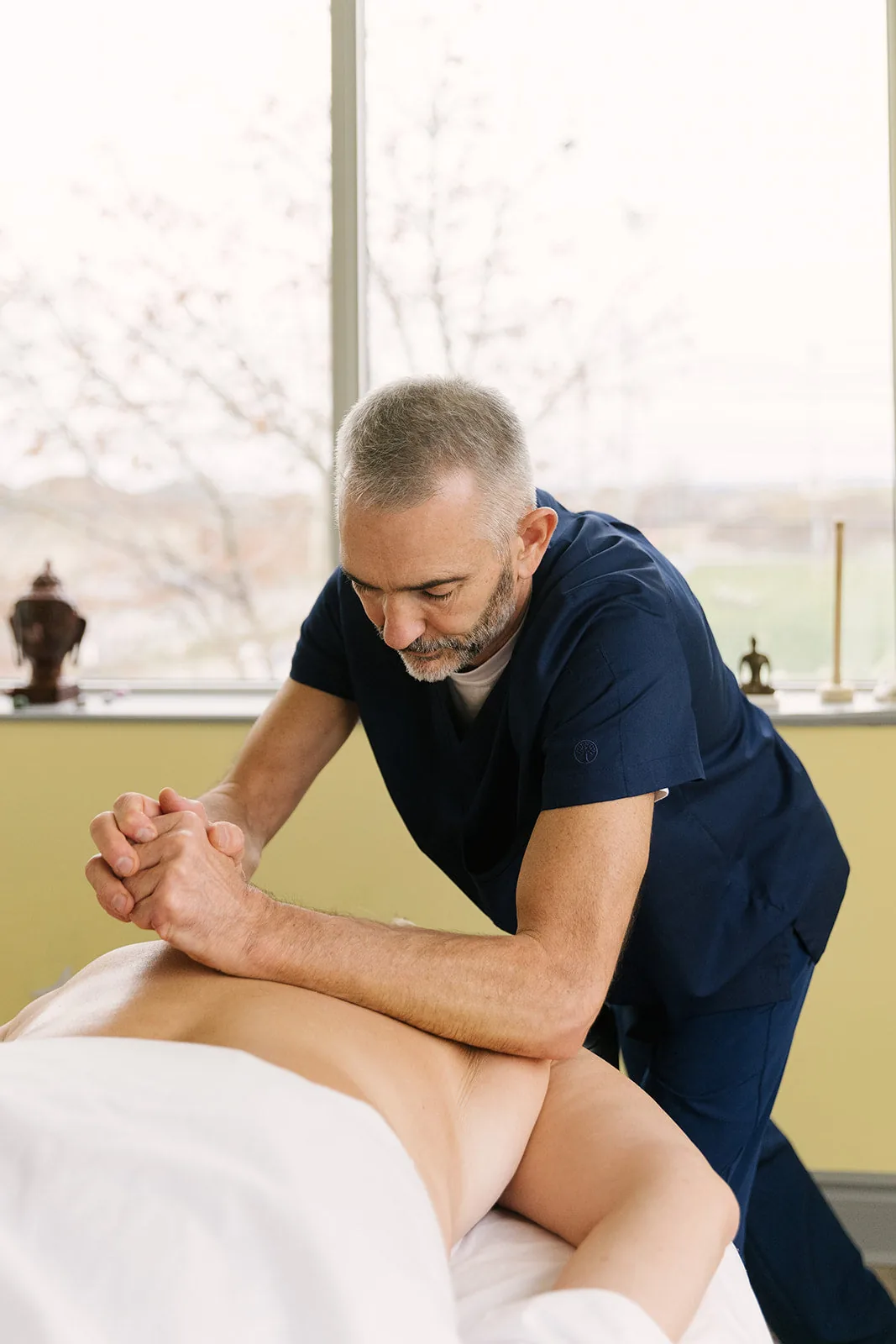
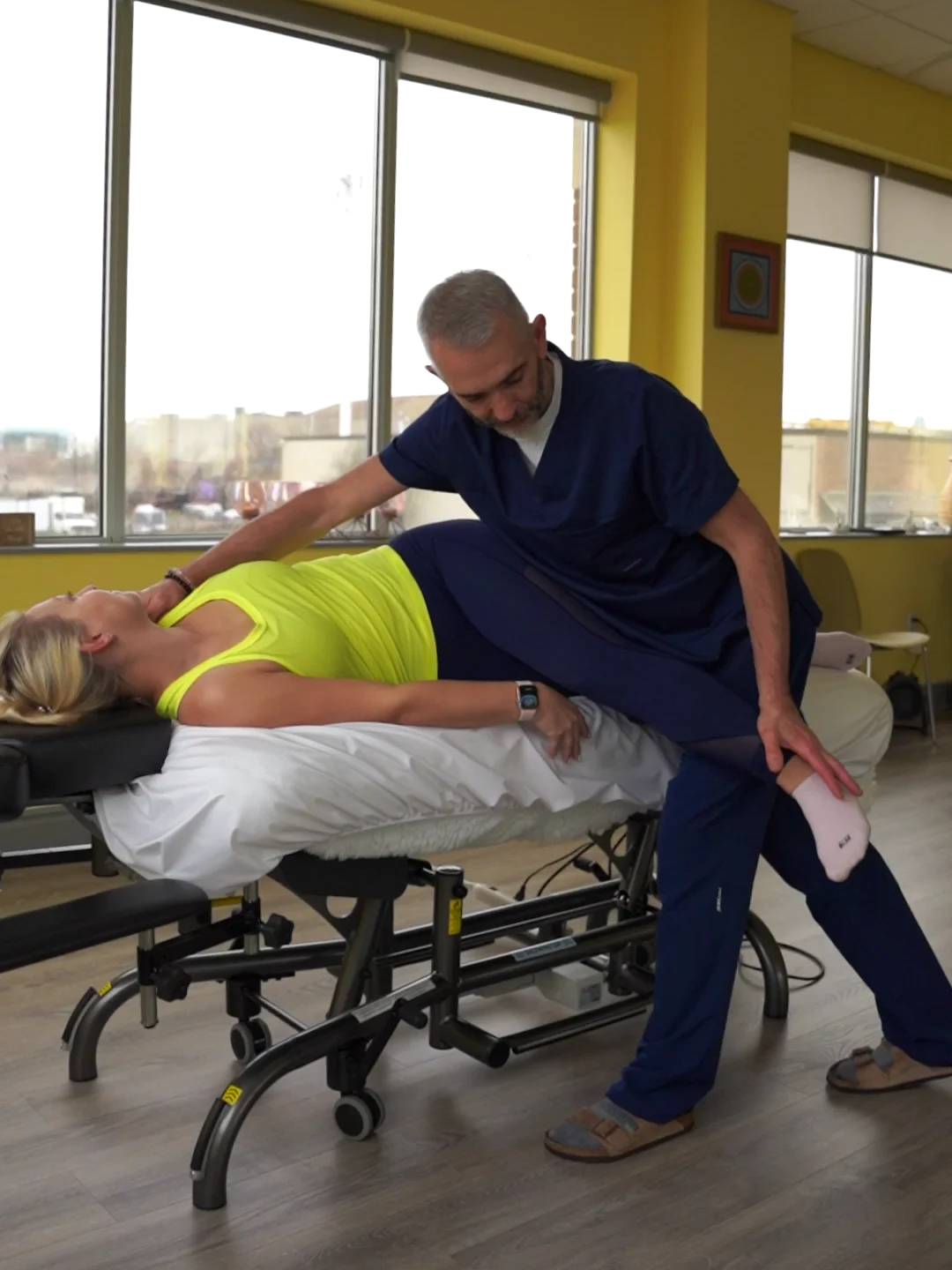
Manual osteopathy is a gentle, hands-on therapy that looks at your body as one connected system. Instead of treating only the spot that hurts, your osteopath checks how your joints, muscles, fascia and internal organs work together, and where a restriction in one area may be putting strain on another.
Treatment uses gentle, non-invasive techniques such as soft tissue work, myofascial release, joint articulation, muscle energy techniques, lymphatic drainage, and craniosacral and visceral techniques. The aim is to release tension, improve movement and circulation, and support your body’s natural ability to heal, without drugs or invasive procedures.
Every plan starts from your history and goals. At Back to Health, osteopathy often works alongside registered massage therapy, physiotherapy and exercise, so one team can support you from pain relief to staying well. Want the full picture? Read what osteopathy treats.
Four principles behind every treatment
Osteopathy rests on four simple ideas. They shape how we assess you and how we treat you.
- The body is one unit: every part supports the whole.
- The body regulates itself when its fluids flow freely.
- Structure and function are linked, and body and mind work together.
- The body has a natural capacity to heal, and treatment aims to support it.
What osteopathy can help with
After your assessment we tell you honestly whether osteopathy is the right fit or another service would help you more.
Back, Neck and Joint Pain
A stiff neck, lower back pain that keeps coming back, sciatica, or a sore shoulder, hip or knee. Osteopathy may ease pain and restore movement by working on the joints and soft tissues around the problem, not only the sore spot.
Headaches and Migraines
Tension headaches that start in the neck and shoulders, or migraines that return with stress and poor posture. Gentle work on the neck, upper back and head can help reduce the tension that often feeds them.
Digestive and Visceral Complaints
Bloating, constipation, cramps or discomfort linked to IBS, or tightness after abdominal surgery. Visceral techniques gently work on the mobility of the abdominal organs and the tissues around them. Please see your doctor first about new or severe symptoms.
Posture and Mobility Problems
Rounded shoulders, a stiff upper back, uneven hips or scoliosis, and the aches that come with them. Treatment and simple home exercises can help you move more freely and hold a better posture day to day.
Types of osteopathy we offer
Choose the type that fits you, or start with a general assessment and we will guide you. Each type has its own page and booking button.
Osteopathy
For adults and teens with pain, stiffness or tension that keeps returning. Your first 60-minute visit combines a full assessment, treatment and a home care plan.
Pediatric Osteopathy (newborns and Infants)
Very gentle, light-touch care adapted to the youngest patients, with a parent present throughout. Parents often come after a difficult birth or with feeding and settling concerns.
Dental and Orthodontic Osteopathy
For jaw pain, clicking, clenching or grinding, and for children and adults in braces or aligners. The jaw, skull and neck are treated as one system, in step with your dentist or orthodontist.
Visceral Osteopathy (Barral Method)
Gentle manual therapy for the mobility of the internal organs, for digestive complaints, scars and chronic tension. Provided by a practitioner certified in visceral manipulation by the Barral Institute.
Craniosacral Osteopathy
A very light-touch approach to the head, spine and sacrum for people who prefer the gentlest treatment. Often chosen for head, neck and jaw tension and for stress.
Scoliosis Care: Schroth Method
Curve-specific breathing and posture exercises for teens and adults with scoliosis. A program usually takes 5 to 20 sessions, plus exercises at home.
Your first osteopathy visit and fees
Your first visit lasts 60 minutes and combines assessment and treatment.
Step 1: We listen
We go through your symptoms, health history and goals, and look at any reports or imaging you bring.
Step 2: We assess
Your practitioner checks posture, movement and tissue tension to find where the problem may come from, not only where it hurts.
Step 3: We treat
Gentle hands-on treatment starts in the same visit when it is appropriate, and we explain the root cause as we see it.
Step 4: You get a plan
You leave with a home care plan: simple exercises or advice, and a suggested schedule for follow-up visits.
Osteopathy fees in Maple and Alliston
Fees differ slightly between our two clinics. The same price list applies to Barral visceral manipulation and Schroth scoliosis therapy.
| Service | Length | Maple (Vaughan) | Alliston |
|---|---|---|---|
| Initial assessment and treatment | 60 min | $160.00 | $150.00 |
| Follow-up treatment | 60 min | $145.00 | $135.00 |
| Follow-up treatment | 45 min | $113.00 | $113.00 |
| Follow-up treatment | 30 min | $90.40 | $90.40 |
Follow-up visits are for returning patients and build on your assessment. You receive a receipt to claim from your extended health plan. See fees and insurance for the full price list.
Your osteopathic practitioners
Osteopathy at Back to Health is led by the clinic’s two co-founders. Read every bio on our team page.
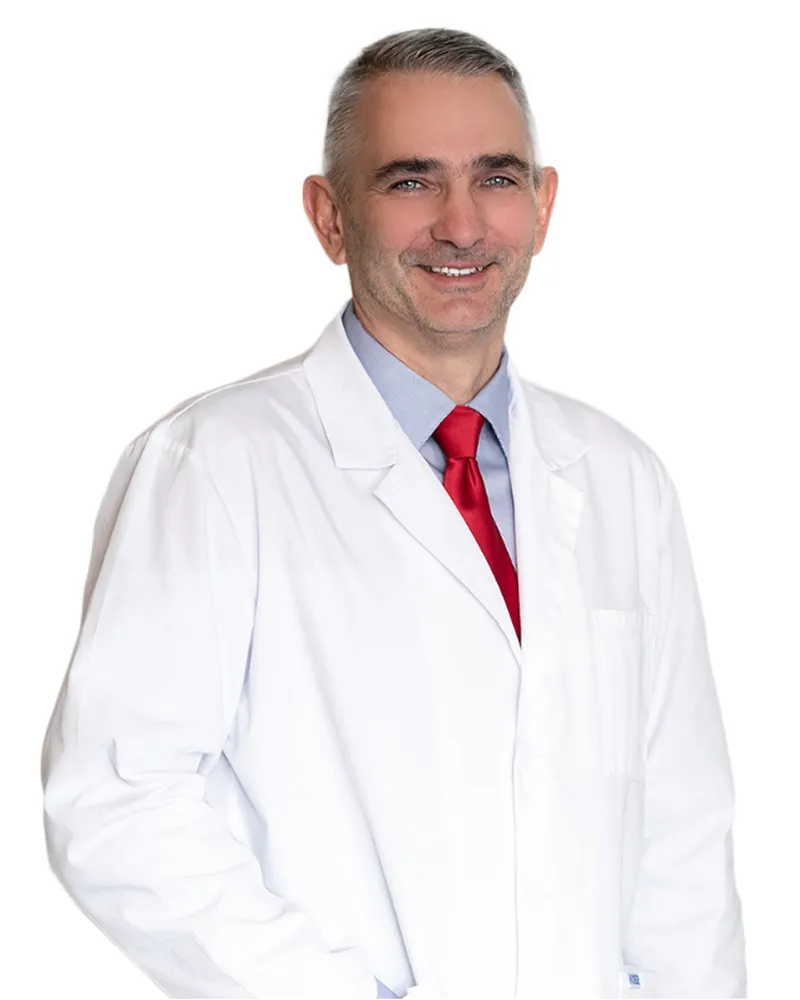
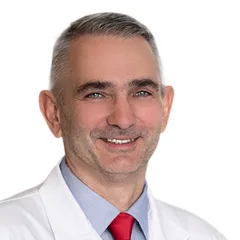
Dr. Rostyslav Bilchenko
D.O.M.P., RMT, RYT
Dr. Rostyslav Bilchenko, D.O.M.P., RMT, RYT, trained in Europe as a medical doctor (urologist) and as a physician-physiotherapist and manual medicine practitioner. He holds a Certification in the Conservative Treatment of Scoliosis and Other Spinal Deformities from Dr. Weiss (German Scoliosis Academy) and is certified in visceral manipulation by the Barral Institute (UK). In Canada he earned his Diploma of Manual Osteopathic Practitioner. His focus is visceral manipulation for digestive, urological and urogynaecological concerns, and scoliosis care. Book with Rostyslav in Maple or in Alliston.
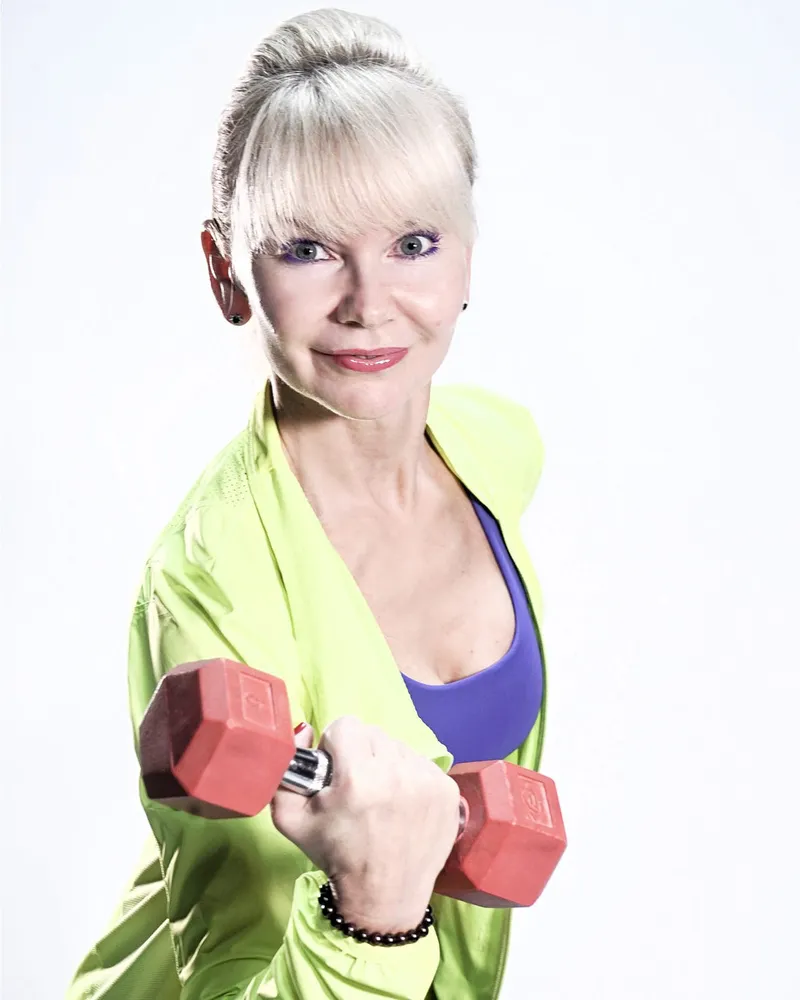
Iryna Bilchenko
D.O.M.P., RMT, RYT
Iryna Bilchenko, D.O.M.P., RMT, RYT, is a health care and fitness professional with more than 30 years of experience, including work at the Toronto Rehabilitation Institute and the Ukrainian Scientific Research Institute of Rehabilitation and Prosthetics. She became an osteopathic manual practitioner in 2019, and a registered massage therapist and registered yoga teacher in 2022. As a Master Trainer of the Tupler Technique, she also leads our Diastasis Recti Rehab Program. Book with Iryna.
Common questions
What is osteopathy and what can it help with?
Osteopathy is a gentle, hands-on therapy that treats the body as one connected system. Our osteopathic manual practitioners use techniques such as soft tissue work, myofascial release and joint articulation to ease tension and improve movement. People come to us for back and neck pain, sciatica, headaches, joint pain, posture problems and digestive complaints. Learn more on our osteopathy page.
Is my treatment covered by extended health benefits?
Many extended health plans cover registered massage therapy (RMT), physiotherapy, psychotherapy (RP) and registered dietitian (RD) services. Osteopathy is covered by some plans, depending on your policy. Limits and rules differ from plan to plan, so check your benefits booklet or call your insurer before your visit. We are happy to help you work out what your plan includes.
How many sessions will I need?
It depends on your condition, how long you have had it and your goals. After your first assessment your practitioner gives you an honest estimate and reviews progress at every visit. As a guide, a Schroth scoliosis program usually takes 5 to 20 sessions, and the Diastasis Recti Rehab Program runs over 18 weeks. Many patients later move to occasional maintenance visits or a wellness program.
Osteopath or chiropractor: which do I need?
Both work hands-on and both treat back pain, neck pain and headaches. Chiropractors focus mainly on the spine and spinal adjustments. Osteopaths look at the whole body, including joints, muscles and internal organs, and use a wider range of gentle techniques. If you prefer a gentle, whole-body approach, osteopathy is a good place to start. Read more in Osteopath vs. chiropractor.
How do I claim my visit from my insurance?
Not at the moment. You pay at the visit and receive a receipt from your registered practitioner, which you submit to your extended health plan for reimbursement. We are happy to help you check what your plan covers. Fees are on our fees and insurance page.
What happens at my first visit?
Your first appointment starts with a conversation about your health history, symptoms and goals. Your practitioner then assesses how you move and where the problem may come from, starts treatment when it is appropriate and explains what they found. You leave with a plan: suggested next visits and simple exercises or advice for home. First osteopathy and massage visits usually last 60 minutes.
Does osteopathic treatment hurt?
Osteopathy is usually gentle and non-invasive. Techniques range from light holds to slow stretches and joint movements, and your practitioner adjusts the pressure to your comfort. Tell them at any time if something feels uncomfortable. After treatment, drink water and avoid strenuous activity for the rest of the day while your body adapts, and follow the home care advice you are given.
Is osteopathy suitable for newborns and infants?
Pediatric osteopathy uses very gentle, light-touch techniques adapted to the youngest patients, and a parent stays with the baby throughout the session. Parents often come after a long or difficult birth, or with feeding and settling concerns. Osteopathy complements the care of your family doctor or pediatrician and does not replace it. Learn more about pediatric osteopathy.
Can osteopathy help with jaw pain or during braces?
Dental and orthodontic osteopathy treats the jaw, skull and neck as one system. It may help with jaw tension and clicking, TMJ discomfort, teeth clenching and grinding, and with comfort during braces or aligner treatment. We coordinate with your dentist or orthodontist, so bring your orthodontic plan and any X-rays to your first visit. Learn more about dental and orthodontic osteopathy.
What is the Schroth method for scoliosis?
The Schroth method is a non-surgical, exercise-based therapy for scoliosis. Exercises are tailored to your curve and combine posture correction, rotational breathing and posture awareness. Its main goal is to help stop the curve from progressing and to ease pain. A program usually takes 5 to 20 sessions of 45 to 60 minutes, plus home exercises, for teens and adults. See scoliosis care.