9 great benefits of sports massage
Sports massage is not just for athletes. Nine benefits for anyone who trains, works physically or wants to recover and move better.
Many people book a massage to unwind or ease pain. Athletes often have two more reasons: performance and recovery. Professional athletes use sports massage regularly, and the benefits of sports massage are available to anyone who trains, plays or works hard physically.
What is sports massage?
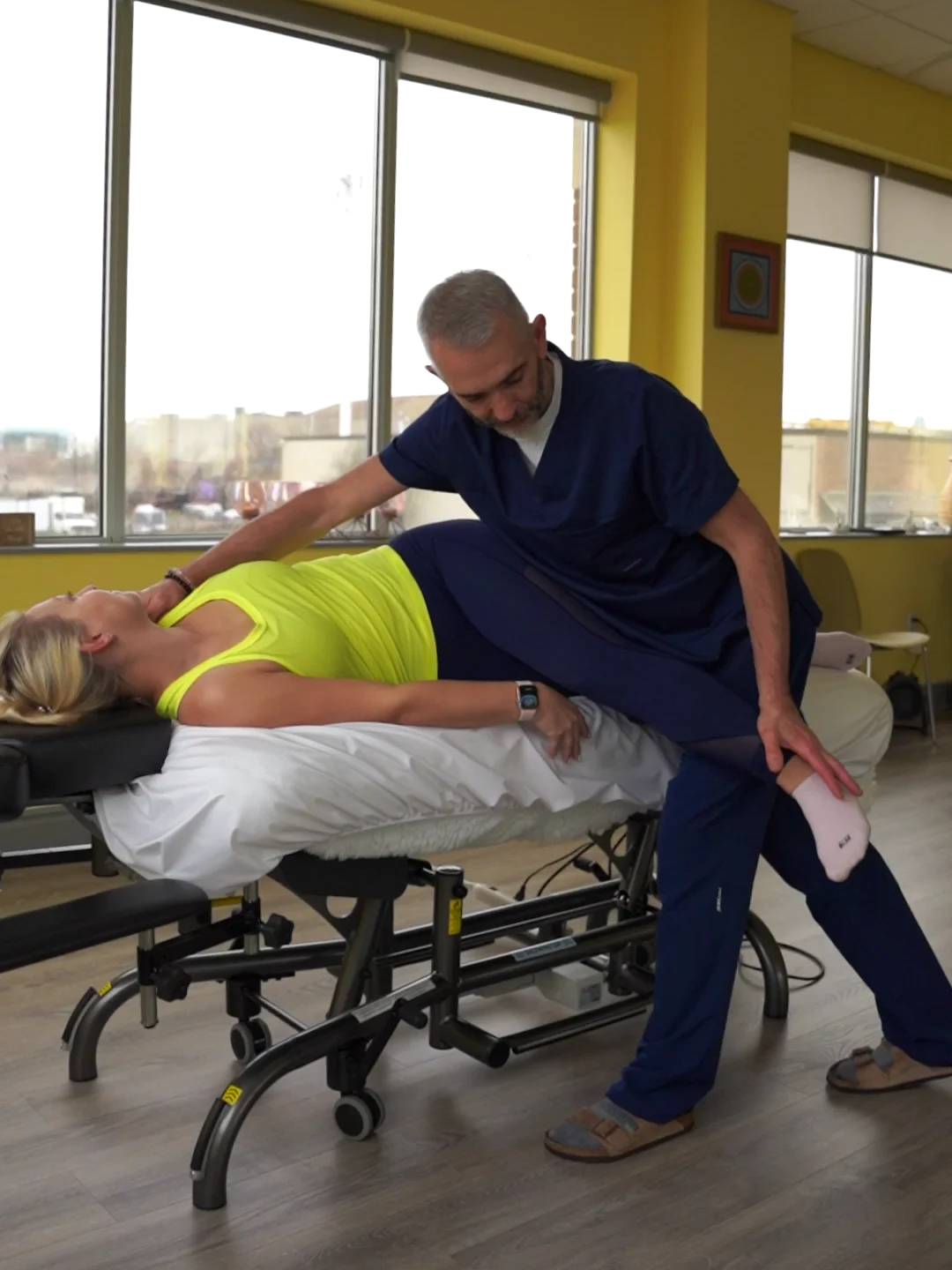
Sports massage is a form of deep tissue massage that focuses on the muscles you use most in your sport or physical activity. Like other forms of massage therapy, it takes a whole-body approach to easing muscle tension and chronic pain.
It is not only for athletes. Sports massage can also help anyone who does heavy physical work, martial arts, hiking, rock climbing, dance and more. In the hands of an experienced therapist, it may help with a range of musculoskeletal problems, including whiplash, repetitive strain injuries and back pain.
9 benefits of sports massage
1. Supports faster recovery
One of the main benefits of sports massage is helping your body recover after training or injury. It may support better-quality tissue repair and help limit scar tissue. That is why professional athletes and dancers often book sports massage, especially after an injury, when every day away from training counts.
2. Improves mobility
Flexibility and mobility matter in almost every physical activity. Through stretching and work around the joints, sports massage can increase your range of motion and reduce muscle stiffness, so you move more freely and efficiently.
3. Supports performance
Regular sessions can help your overall athletic performance over time. By releasing and activating muscles and connective tissues, sports massage may help your muscles work at their best, which is why many sports organisations include it in their athletes’ care.
4. Promotes relaxation
Sports massage helps activate the parasympathetic nervous system, the “rest and digest” side of your nervous system. Many people reach a state of deep relaxation during a session. Since chronic stress takes a toll on the body, this is a hidden benefit that supports both your well-being and your performance.
5. Improves circulation
The pressure applied through muscles and connective tissues helps blood circulate. Better circulation means better delivery of oxygen and nutrients to your muscles, and more efficient removal of the waste products muscles produce during hard effort.
6. Releases endorphins
Much like a good workout, a sports massage encourages the release of endorphins, the body’s “feel-good” chemicals. These natural painkillers can lift your mood and ease pain, making sports massage a natural and enjoyable part of managing aches and pains.
7. May reduce the risk of injury
Besides helping you recover from injury, sports massage may help lower the risk of future injuries, especially in stiff problem areas. It can also help stop a minor strain from becoming a bigger one. Rest is still important after an injury, but when you need to get back to training or work, sports massage can be a useful part of your care.
8. Helps mental focus
Beyond relaxation, sports massage can support concentration. Reducing stress and tension can help you feel clear-headed and focused, which makes it easier to settle into your game or training and stay alert to what is happening around you.
9. Improves sleep quality
Sleep is not wasted time: it is when your body and mind recover. The deep relaxation of regular sports massage can help you fall asleep more easily and sleep more deeply, and it may help if you often sleep restlessly. Good sleep is linked to better recovery, more energy and better performance, so it is worth protecting.
Who can benefit from sports massage?
Whether you are a professional athlete, a regular at the gym, a weekend runner or someone whose job is physically demanding, adding sports massage to your routine can support your recovery, your performance and your overall health. The benefits go well beyond simple muscle relaxation.
If you are recovering from a sprain, strain or joint injury, sports massage can also work well alongside physiotherapy or osteopathy, so your care covers both hands-on relief and a structured return to activity.
Getting the most from your sports massage
The key to getting these benefits is a skilled therapist who tailors each session to you. Before your first session, think about which sports or activities you do, where you feel tight or sore, and any injuries, old or new. Tell your therapist how the pressure feels during the session, so they can adjust it.
Our registered massage therapists always start with a thorough assessment and tailor every sports massage to your needs and goals. We believe this approach gives the best results for long-term wellness. Book a sports massage at our Maple (Vaughan) or Alliston clinic, or read about other types of massage we offer.
Common questions
Which massage is right for me?
It depends on your goal. Deep tissue and sports massage target stubborn tension, old injuries and recovery from training. Swedish massage is gentler and more relaxing. Cupping uses suction cups to release muscle tension and support circulation. Your RMT assesses you first and recommends the best approach.
How long is a massage session?
You can book 30, 45, 60, 75, 90 or 120 minutes. New patients usually start with a 60- or 75-minute visit, so your therapist has time to assess you and plan your care.
Is massage therapy covered by my benefits?
Massage from a registered massage therapist (RMT) is covered by many extended health plans. After every visit you receive an RMT receipt to claim from your insurer. Some plans ask for a doctor’s note and each plan sets its own yearly limit, so check your policy first. See fees and insurance.