Massage therapy for arthritis
Which types of massage may ease arthritis pain and stiffness, how osteoarthritis and rheumatoid arthritis differ, and how often to book.
Arthritis can be a painful and limiting condition. According to Arthritis Society Canada, about six million Canadians live with it. While there is no cure, the pain and stiffness of arthritis can be managed with different treatments, including massage therapy. In this guide to massage therapy for arthritis, we explain the two most common types of arthritis, which types of massage may help and how massage fits into a wider plan.
Osteoarthritis and rheumatoid arthritis
The two most common types of arthritis are osteoarthritis and rheumatoid arthritis. Both affect the joints, but they have different causes.
Osteoarthritis (OA)
Osteoarthritis is the more common form. It develops through wear and tear on the joints over time, as the cartilage that lets joints move smoothly gradually breaks down. As it does, you may feel discomfort, pain or stiffness, and over time it can limit how well the joint moves. The knees, hips and spine are most often affected.
Rheumatoid arthritis (RA)
Rheumatoid arthritis is less common. It is an autoimmune condition: the immune system mistakenly attacks the synovium, the thin membrane lining the joints. Like OA, it can cause stiffness, swelling and, over time, loss of joint function. It most often affects the hands, wrists and knees.
How the pain can differ
Because RA can affect several body systems at once, people living with it often report intense joint pain and swelling, symptoms beyond the joints, and cycles of flare-ups followed by periods of remission. People with OA also experience a wide range of pain, which can increase as the condition progresses. Your own experience of pain is the best guide to share with your therapist.
Which type of massage is best for arthritis?
When you use massage therapy to help manage arthritis, tell your therapist where you feel pain and discomfort and how strong it is. This helps them understand your condition and personalise your treatment. These are the techniques most often used.
Swedish massage
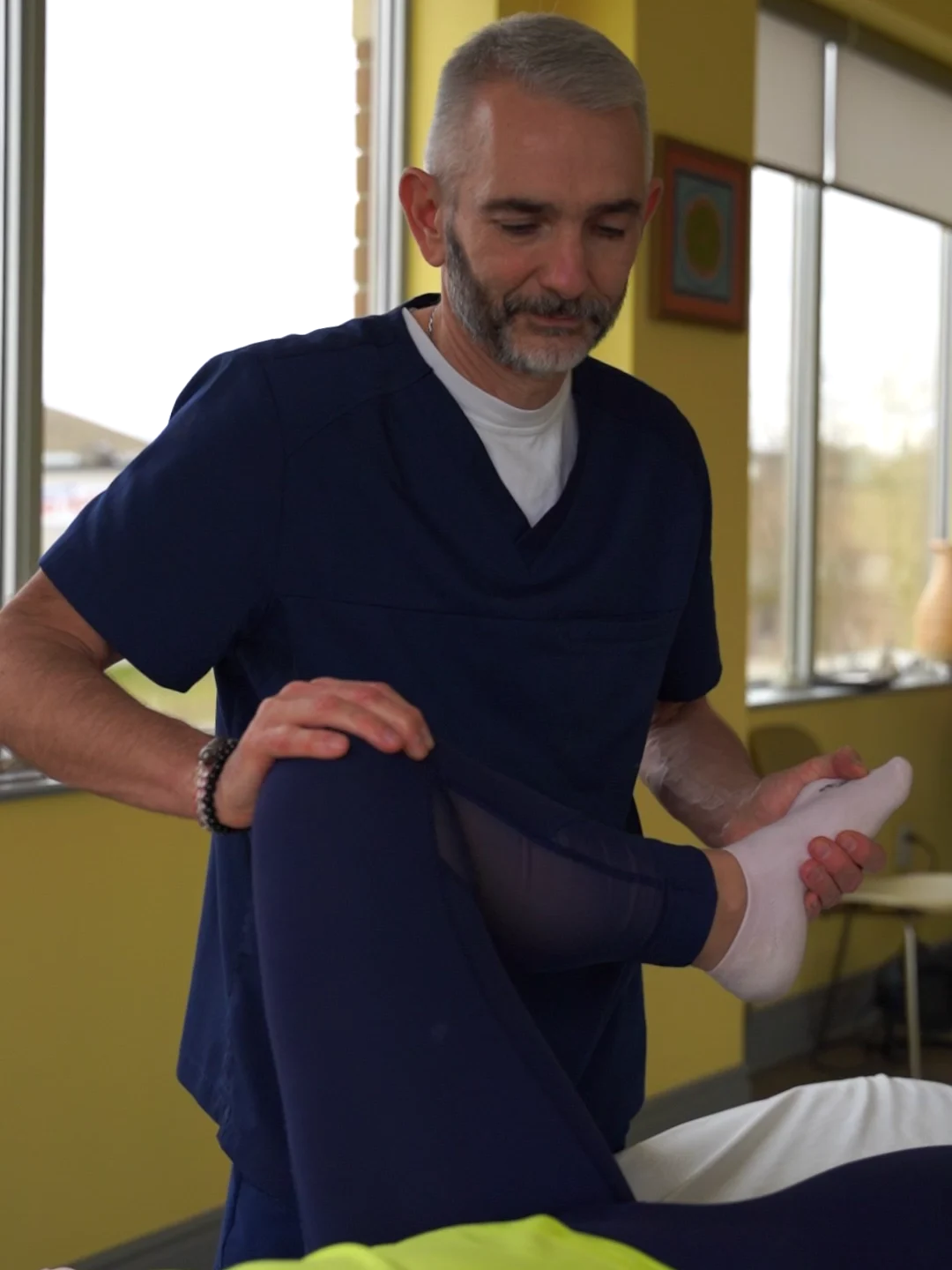
Swedish massage is one of the most popular choices for people with arthritis. It is a gentler type of massage that promotes relaxation, supports circulation and reduces muscle tension, all of which can help ease arthritis pain. Your therapist uses long, gliding strokes, kneading and circular movements on the outer layers of muscle to relax the body.
Trigger point therapy
Trigger point therapy focuses on tight bands of muscle fibre, often found in areas of overuse or injury. The right pressure on these points can help release the tight muscle bundles that develop in some people with arthritis.
Myofascial release
Myofascial release works on the fascia, the connective tissue that surrounds your muscles. Gentle, sustained pressure can help ease pain and restore movement in the area, and many people with osteoarthritis find it comfortable.
Deep tissue massage
Deep tissue massage focuses on the deeper layers of muscle and connective tissue, using slower strokes and firmer pressure. It can reach more deeply held tension, and some people with arthritis find it very helpful over time. It is not right for everyone, though, because of the soreness it can cause. Your therapist will adjust or avoid pressure over sore, swollen joints.
Not sure which to choose? Our guide to Swedish vs. deep tissue massage explains the difference.
Other ways to manage arthritis
Arthritis is usually best managed with a combination of approaches. There is no overnight solution, but a few steps can make a real difference to your quality of life:
- Low-impact exercise: focus on quality, not quantity. Choose exercises that improve joint flexibility and strengthen the surrounding muscles, such as water aerobics or tai chi.
- Personalised physiotherapy: a good physiotherapist assesses your joint limitations, gait and pain patterns to build a program for you. Learn more about physiotherapy at our clinic.
- Nutrition: an anti-inflammatory style of eating, with plenty of vegetables and foods such as fatty fish, nuts, berries and leafy greens, may help. Our registered dietitian can help you build a realistic plan.
How often to book massage for arthritis
The right schedule depends on how severe your symptoms are and on your own preferences. We use your general pain level as a starting point:
- Mild to moderate symptoms: a session every two to four weeks often provides steady relief while giving your body time to adjust.
- During a flare-up: weekly sessions may help break the pain cycle when discomfort is at its peak, with techniques adapted to how your joints feel.
Personalised arthritis care at Back to Health
We do not believe in a one-size-fits-all approach to massage therapy for arthritis. Each client gets a personalised plan based on a careful assessment:
- Individual assessment: we look at your type of arthritis, pain patterns and lifestyle to plan the right treatment.
- Whole-person focus: we consider how arthritis affects your overall well-being and quality of life, which helps decide how intensive and frequent treatment should be.
- Tracking progress: we review your progress over time and adjust your plan as needed.
- Tailored techniques: our therapists choose and adapt techniques for each client.
- Working with your care team: massage therapy can complement the care you already receive from your doctor and other providers.
Take the first step
At our clinics in Maple (Vaughan) and Alliston, we aim to be a welcoming place where you can explore a whole-person approach to your health, with practical advice on managing arthritis and other conditions. Book a massage therapy appointment or contact us with your questions. You might also enjoy 9 great benefits of sports massage.
Common questions
Is massage therapy covered by my benefits?
Massage from a registered massage therapist (RMT) is covered by many extended health plans. After every visit you receive an RMT receipt to claim from your insurer. Some plans ask for a doctor’s note and each plan sets its own yearly limit, so check your policy first. See fees and insurance.
Do I need a doctor’s referral for massage therapy?
No. You can book massage therapy directly online or by phone. Some extended health plans ask for a doctor’s note before they reimburse massage, so check your policy before your visit.
How long is a massage session?
You can book 30, 45, 60, 75, 90 or 120 minutes. New patients usually start with a 60- or 75-minute visit, so your therapist has time to assess you and plan your care.