Osteopathic manipulation treatment (OMT): a comprehensive guide
The principles behind osteopathic manipulation, the techniques osteopaths use, what happens at your first session and what OMT may help with.
Osteopathic manipulation treatment (OMT) is the hands-on side of osteopathy: a manual practice used to help with a wide range of health complaints by working with the body’s muscles, joints and connective tissues. This guide explains the ideas behind it, the techniques osteopaths use and what you can expect at your first session.
What is osteopathic manipulation?
Osteopathic manipulation means carefully working with the body’s tissues to support the natural function and circulation of its systems. It can ease pain in muscles, tendons and connective tissues, and it is also how an osteopath assesses where a problem may be coming from.
Osteopathy is built on the idea that all body systems depend on each other to stay healthy. Its principles were developed in 1874 by the American physician Andrew Taylor Still, who saw the musculoskeletal system as a route to better health for the whole body.
The principles of osteopathy
The wording differs slightly between schools, but the core principles are:
- the body is a unit: a person is one whole of body, mind and spirit
- the body is capable of self-regulation and self-healing
- structure and function are interrelated
- treatment is based on these three ideas together
These principles guide osteopathic practitioners to treat each person as a whole, not just a set of symptoms.
Osteopathy in Canada
In Canada, the term “osteopath” usually refers to osteopathic manual practitioners. They typically complete a four- to five-year program in osteopathic manual practice, including extensive hands-on clinical training under experienced osteopaths, before they start their own practice. They are trained to use their hands to assess, treat and help prevent problems through osteopathic manipulation.
How osteopathic assessment works
Osteopathic treatment starts with a thorough physical examination, followed by a hands-on assessment. Using stretching, gentle pressure and testing for resistance, your osteopath looks for subtle changes in tissue texture, asymmetry, restricted movement and tenderness. These findings, called somatic dysfunctions, guide the treatment plan.
Treatment then aims to support:
- blood flow and lymphatic drainage
- nerve function
- joint mobility
- the mechanics of breathing
Common osteopathic manipulation techniques
- Soft tissue technique: the foundation of osteopathy. Pressure on muscles and connective tissues relieves tension and supports circulation, sometimes with kneading, stretching or rhythmic pressing and releasing.
- Myofascial release: gentle, sustained pressure that loosens and lengthens the fascia, the connective tissue around your muscles and organs. It can help improve flexibility and reduce pain.
- Counterstrain: your practitioner places your body in a position that lets a tight muscle relax, holds it briefly, then slowly returns you to a neutral position.
- Craniosacral technique: a very gentle technique working with the skull, spine and pelvis. Many people find it deeply relaxing. Learn more about craniosacral osteopathy.
- Lymphatic techniques: gentle, rhythmic pressure that encourages the flow of lymph, the fluid that helps the body clear and redistribute fluids.
Your osteopath may combine several of these, together with techniques such as visceral manipulation. The choice depends on your age, general health and the nature of your complaint.
Your first session of osteopathic manipulation
- Assessment: your osteopath reviews your medical history and performs a physical examination, paying special attention to your musculoskeletal system. This helps them find areas of concern and build a treatment plan for your body and goals.
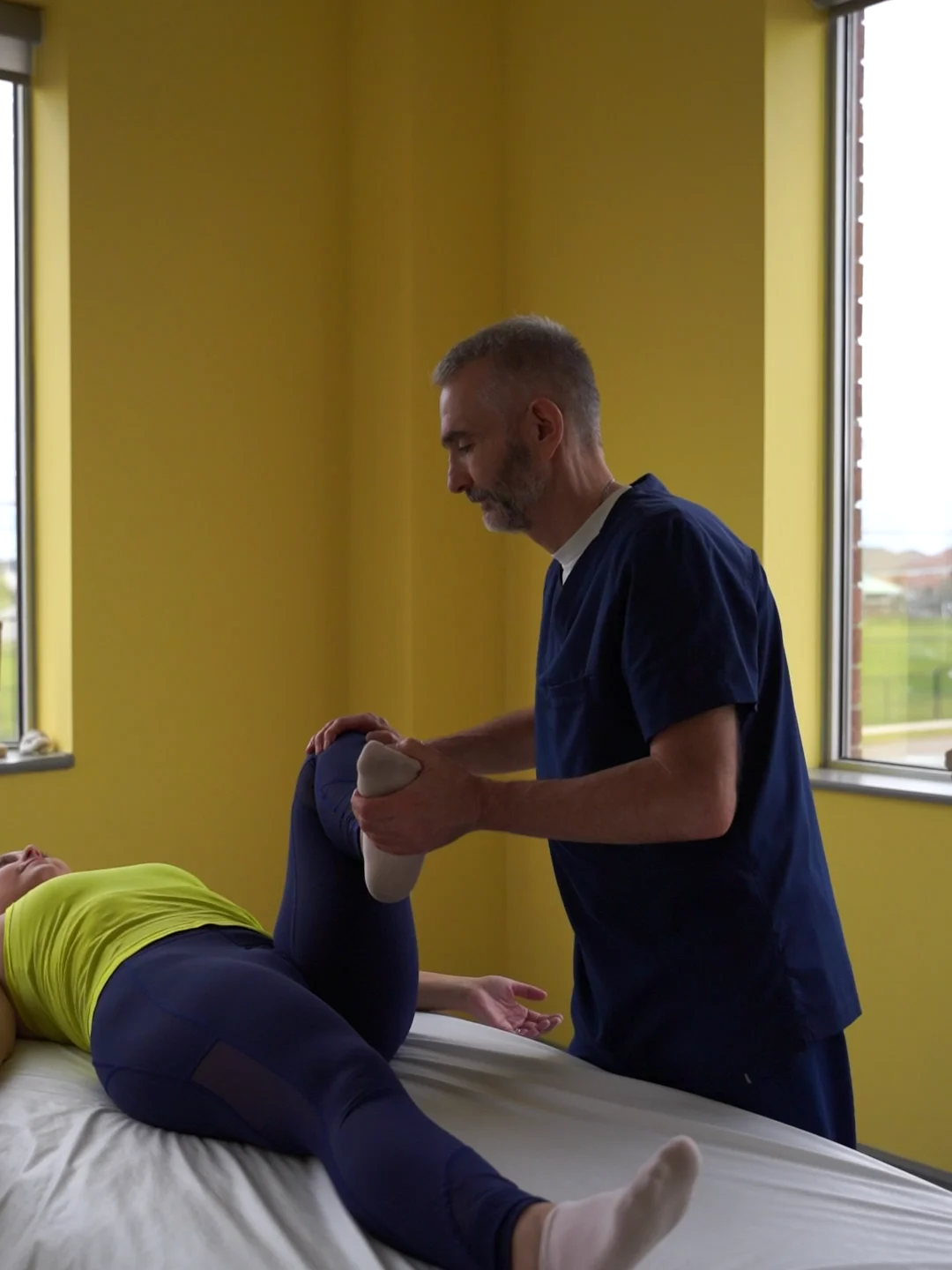
- Treatment: you sit or lie down while your practitioner uses their hands to test and treat the movement of your muscles, joints and other tissues. Techniques range from a light touch to firmer pressure and stretching.
- Your plan: how often you come back depends on your condition and preferences. Some people benefit from weekly sessions, others visit only as needed.
At our clinic, the first osteopathy visit usually lasts 60 minutes. After a session you may feel some relief straight away, but the full effect often comes over the next few days. Some people feel mild soreness for a day or two, similar to the feeling after a good workout.
What osteopathic manipulation may help with
Osteopathic manipulation is used for a wide range of complaints, from musculoskeletal problems to issues that affect other body systems. Common reasons people book include:
- back pain and neck pain
- headaches and migraines
- joint pain and arthritis
- digestive discomfort
- menstrual pain
- carpal tunnel syndrome
- fibromyalgia
- jaw and temporomandibular joint (TMJ) tension (see dental and orthodontic osteopathy)
For a fuller list, read what does osteopathy treat? Research into osteopathic manipulation continues, and results differ from one condition to another. Your practitioner will be honest with you about what osteopathy can and cannot do for your situation, and osteopathy works alongside your medical care rather than replacing it.
A hands-on approach to whole-body health
Osteopathic manipulation combines knowledge of anatomy and physiology with hands-on assessment and treatment. We hope this guide gives you a clearer picture of how it works. As with any treatment, it is important to speak with a qualified practitioner to find out whether it is right for you.
Our osteopathic manual practitioners see patients at our Maple (Vaughan) and Alliston clinics. Book an appointment or read about your first visit to know what to expect.
Common questions
How many osteopathy sessions will I need?
It depends on your condition, how long you have had it and your goals. After your first assessment your practitioner gives you an honest estimate and reviews your progress at every visit.
What should I wear to an osteopathy appointment?
Wear comfortable clothing you can move in. Bring your extended health benefits card and any referral, imaging or medical reports you have.