Swedish massage vs. deep tissue massage: understanding the differences
Gentle and relaxing or firm and focused? How Swedish and deep tissue massage differ, the benefits of each and how to choose.
You may have heard of Swedish massage and deep tissue massage and wondered what the difference is. Both are common massage therapy styles, but they feel quite different and suit different goals. Here is a quick Swedish vs deep tissue massage comparison before we look at each in detail.
- Swedish massage: gentle and relaxing, using long flowing strokes, kneading and circular movements. It is designed to promote relaxation, better circulation and flexibility, and it is ideal if you are new to massage.
- Deep tissue massage: focused, firmer pressure that targets deeper muscles and connective tissue. It is designed to relieve chronic pain and stubborn muscle tension, and it suits people with persistent aches or who do intense physical activity.
What is Swedish massage?
Swedish massage is a full-body technique that combines long, gliding strokes, kneading and circular movements on the outer layers of muscle. It is one of the gentlest and most approachable types of massage, which makes it an excellent choice for beginners or anyone who prefers a lighter touch. It was developed in the 19th century and is associated with the Swedish physiologist Per Henrik Ling.
Swedish massage uses five basic strokes:
- Effleurage: long, sweeping strokes that warm up the muscles.
- Petrissage: kneading movements that lift and roll the muscles.
- Friction: circular rubbing that creates warmth and supports circulation.
- Tapotement: rhythmic tapping with cupped hands, fingers or the edge of the hand.
- Vibration: fast shaking or vibration of specific muscles.
Your therapist moves through these strokes in a smooth, flowing sequence from one area of the body to the next. The pressure can be adjusted to your preference but generally stays light to moderate.
Benefits of Swedish massage
- Less stress: gentle, rhythmic strokes activate the body’s relaxation response and bring a sense of calm.
- Better circulation: the strokes help move blood and fluids through the tissues.
- Better mood: massage encourages the release of endorphins, leaving many people feeling calm and refreshed.
- Relief from muscle tension: the strokes relax tight muscles and reduce stiffness in the treated areas.
- More flexibility: relaxed muscles and better circulation can improve flexibility over time.
- Better sleep: the relaxation of a Swedish massage often helps people sleep better.
What is deep tissue massage?
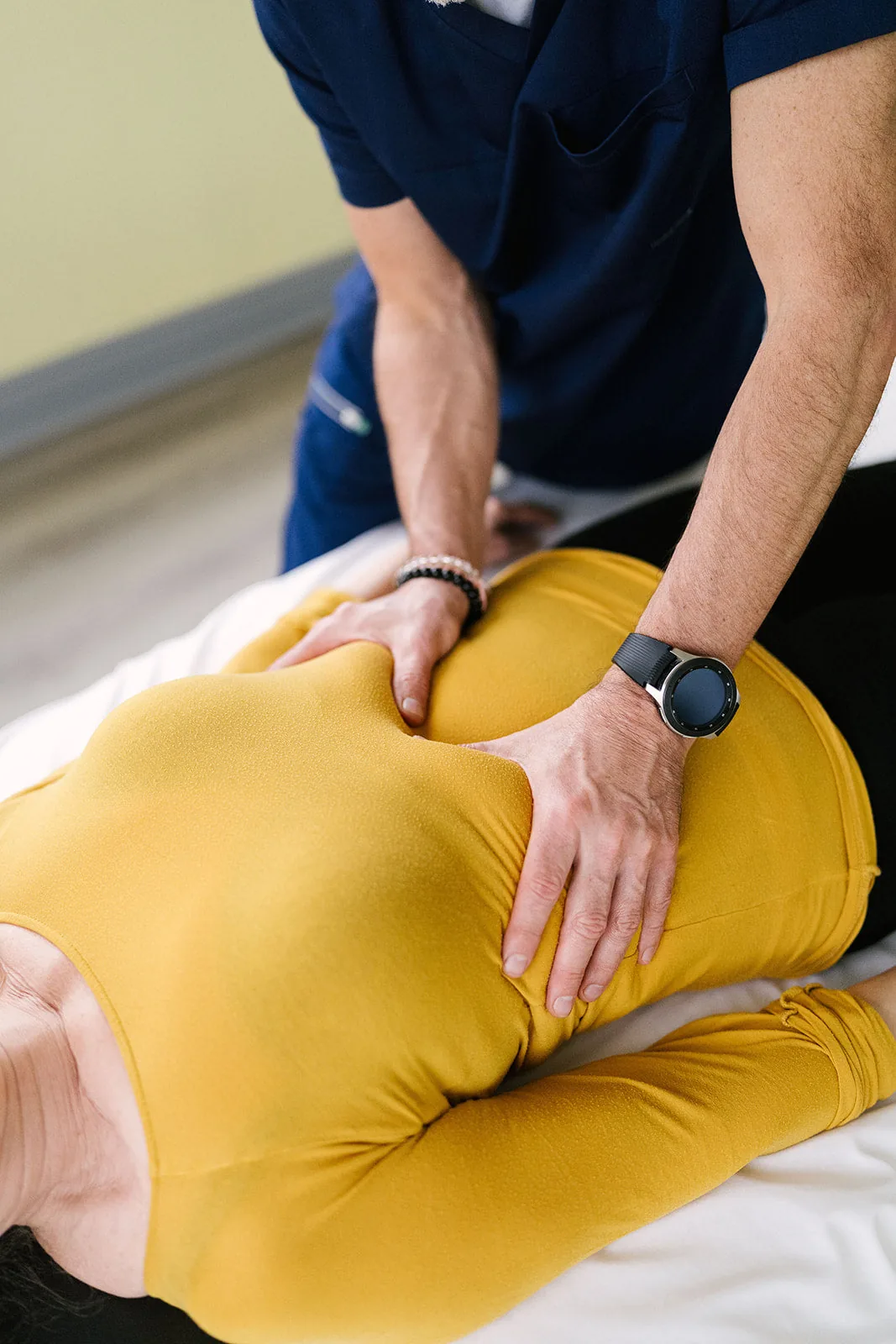
Deep tissue massage takes a more intense approach. It targets the deeper layers of muscle, tendon and fascia (the connective tissue around muscles). It uses many of the same strokes as Swedish massage, but with much more pressure, particularly in areas of high tension and knots. Your therapist may use fingers, knuckles, forearms or elbows to reach these layers. Many people new to massage prefer to build up to it.
Deep tissue massage can feel intense, but it should not be painful. Always tell your therapist if the pressure is too much or too little.
Benefits of deep tissue massage
- Relief from severe tension: it can release chronic tension in the deeper layers of muscle and connective tissue.
- Help with chronic pain: regular sessions may ease conditions such as lower back pain, fibromyalgia and plantar fasciitis.
- Work on scar tissue: focused pressure may help with scar tissue after an injury, improving mobility and comfort.
- Better range of motion: working on deep muscle layers and fascia can help restore movement in stiff or injured areas.
- Stress relief: even though it is intense, many people find deep tissue massage relaxing.
- Recovery support: athletes often use deep tissue massage as part of their injury recovery. See the benefits of sports massage.
Swedish vs deep tissue massage: key differences
- Pressure: the most noticeable difference. Swedish massage uses light to moderate pressure, while deep tissue massage uses firm pressure to reach deeper muscle. Deep tissue work may feel uncomfortable at times, but it should not be painful.
- Focus: Swedish massage usually covers the whole body for overall relaxation. Deep tissue massage more often targets a specific problem area or muscle group.
- Strokes: Swedish massage uses long, flowing strokes. Deep tissue strokes are slower and more deliberate, and may include techniques such as trigger point therapy.
- Depth: Swedish massage works on the surface layers of muscle and connective tissue, deep tissue massage on the deeper layers.
- Comfort: Swedish massage is generally more comfortable during the session. Deep tissue massage can feel intense in areas of tension.
- Frequency: Swedish massage can be enjoyed often. Because of its intensity, deep tissue massage is usually booked less often, typically no more than once a week and every few weeks on average, depending on how your body responds.
- Suitability: Swedish massage suits almost everyone, including first-timers. Deep tissue massage is best if you are comfortable with more intense pressure.
Which one should you choose?
Both styles have their own benefits, and the right choice depends on your preferences and what you want help with. Swedish massage offers a relaxing, beginner-friendly experience. Deep tissue massage is more intense and may offer deeper relief for stubborn tension and chronic pain. Many people use both at different times.
Whichever you choose, your registered massage therapist will start with an assessment and recommend the right approach. Book a massage at our Maple (Vaughan) or Alliston clinic, or explore all the types of massage we offer.
Common questions
Which massage is right for me?
It depends on your goal. Deep tissue and sports massage target stubborn tension, old injuries and recovery from training. Swedish massage is gentler and more relaxing. Cupping uses suction cups to release muscle tension and support circulation. Your RMT assesses you first and recommends the best approach.
How long is a massage session?
You can book 30, 45, 60, 75, 90 or 120 minutes. New patients usually start with a 60- or 75-minute visit, so your therapist has time to assess you and plan your care.
Is massage therapy covered by my benefits?
Massage from a registered massage therapist (RMT) is covered by many extended health plans. After every visit you receive an RMT receipt to claim from your insurer. Some plans ask for a doctor’s note and each plan sets its own yearly limit, so check your policy first. See fees and insurance.