What does osteopathy treat?
From back and neck pain to TMJ and digestive complaints: a plain guide to what osteopathy may help with and what to expect from treatment.
Osteopathy is a whole-body approach to health care. It uses manual, hands-on techniques to improve circulation and the way your body moves, without the use of drugs. Your practitioner uses their hands to assess and treat, guided by a detailed understanding of how the body’s systems connect and influence one another.
The aim is to support your overall well-being and your body’s natural ability to heal. In this guide we answer the question “what does osteopathy treat?”, explain what an osteopath does and how a treatment works, and describe what you can expect before, during and after a session.
What is an osteopath?
Osteopathic manual practitioners (D.O.M.P.) use hands-on techniques to assess and treat a wide range of health complaints. They work with the musculoskeletal system to support the body’s natural healing ability. Their focus is on improving mobility and circulation, easing pain and helping the whole body function better.
The role of an osteopath
An osteopath looks at your body as one connected system, with particular attention to the soft tissues (muscles, ligaments and tendons), the spine and the nervous system. To support healing and health, osteopaths use a range of hands-on techniques, including:
- spinal manipulation
- articulation: gentle, rhythmic joint movements
- soft tissue techniques, including massage and stretching of muscles and soft tissues
- muscle energy techniques: working muscles gently against resistance
- visceral manipulation: gentle movement of the abdominal and pelvic areas
Our osteopaths have also trained in a number of specialised approaches, including registered massage therapy, the Schroth method for scoliosis and Barral visceral manipulation.
Our lead osteopathic manual practitioner, Dr. Rostyslav Bilchenko, D.O.M.P., RMT, RYT, trained as a medical doctor in Europe and worked at the Kharkiv County Urology Hospital. He then trained as a physician-physiotherapist and manual medicine practitioner, and later received a Certification in the Conservative Treatment of Scoliosis and Other Spinal Deformities from Dr. Weiss (German Scoliosis Academy). You can read about every practitioner on our team page.
What does osteopathy treat?
Osteopathy can help with a variety of complaints. The most common are musculoskeletal: chronic back pain, joint stiffness and sports injuries. Many people also come to an osteopath with complaints that involve other systems of the body, such as digestive discomfort, menstrual pain or long-standing tension. Here is a more complete overview of what osteopathy treats and may help with.
Back, neck and shoulder pain
- lower back pain and back injuries
- neck pain and neck injuries
- shoulder pain, including frozen shoulder
Joint pain
- arthritis symptoms, including osteoarthritis and other degenerative joint conditions
- hand, wrist and elbow pain, such as carpal tunnel syndrome, tennis elbow and golfer’s elbow
- hip, knee and foot pain
Sports and soft tissue injuries
- sprains and strains from overuse
- repetitive strain injuries
- muscle spasm and ligament sprains
- recovery after surgery
Nerve pain and chronic pain
- trapped nerve and nerve pain, such as sciatica
- chronic muscle aches, fibromyalgia, headaches and migraines
Jaw and TMJ tension
Jaw ache, jaw imbalance and teeth grinding are common reasons to visit. Learn more about dental and orthodontic osteopathy.
Digestive and whole-body complaints
- digestive discomfort, such as irritable bowel syndrome (IBS), constipation, heartburn and indigestion
- menstrual pain and cramps
- stress-related tension and difficulty relaxing
Pregnancy, after birth and babies
Osteopathy can help with many common problems after pregnancy and may support better sleep and reduced swelling. For the youngest patients we offer gentle pediatric osteopathy. Osteopathy works alongside the care of your family doctor, midwife or pediatrician and does not replace it.
How does osteopathy work?
Osteopathy is a hands-on approach to moving and releasing your muscles, soft tissues and joints. On the surface it can look and feel similar to a massage, but its goals and techniques are different: the focus is on restoring balance in the body, improving how it functions and supporting its ability to heal itself.
What to expect from osteopathic treatment
Before treatment
Your osteopathic practitioner starts by taking a detailed medical history and asking about your lifestyle and everyday health habits. This helps them see the whole picture and look for the root cause of your symptoms, not just the place that hurts.
During treatment
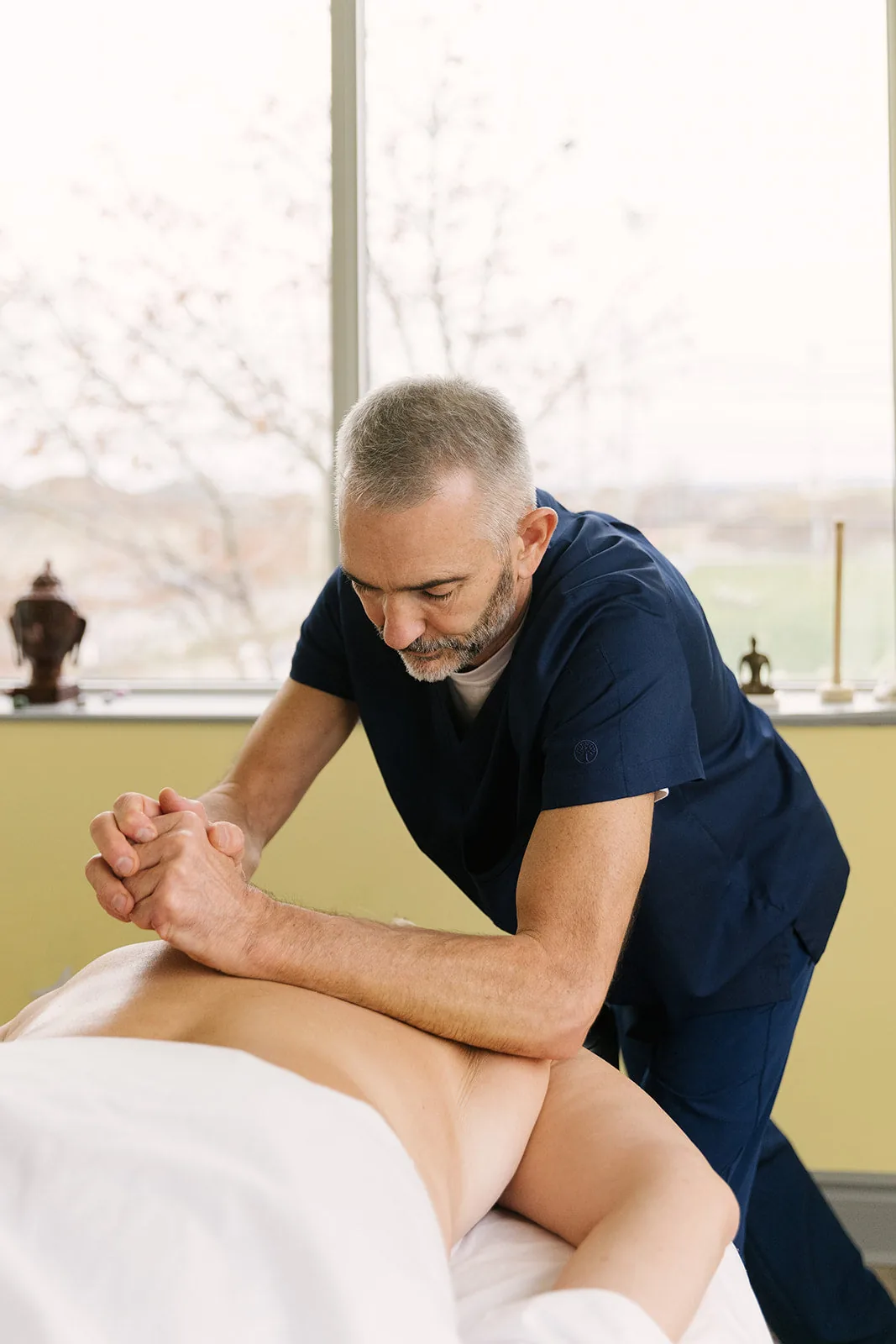
Depending on your symptoms and the area being treated, you may be asked to stand, sit or lie down. Your osteopath then uses their hands to apply gentle pressure, stretch muscles, ligaments and tendons, and move joints. Techniques range from slow, sustained pressure to quicker movements, always adapted to your comfort.
After treatment
Some soreness is normal, similar to the day after a workout. It usually settles within two days. Drink plenty of water and avoid strenuous activity while your body adapts. We also give you home care tailored to you, such as exercises, to support your recovery between visits.
Risks and benefits
The risks of osteopathy are minimal. Some patients feel mild to moderate discomfort after treatment, but this is uncommon and usually temporary. The potential benefits include better circulation, less pain, improved joint mobility and better overall function, which can make a real difference to your quality of life.
Is osteopathy right for you?
For many people, osteopathy offers a gentle, non-invasive path to better health. It can be especially helpful if a chronic condition is getting in the way of daily life. People often come to us with back pain, joint problems, musculoskeletal complaints, concerns during or after pregnancy, or simply a feeling that their body is not working as well as it could.
At Back to Health, our osteopathic practitioners tailor every treatment plan to your needs, preferences and health history. To see whether osteopathy is right for you, book an appointment at our Maple (Vaughan) clinic or our Alliston clinic. Want to know more first? Read our guide to osteopathic manipulation or compare an osteopath and a chiropractor.
Common questions
Does osteopathic treatment hurt?
Osteopathy is usually gentle and non-invasive. Techniques range from light holds to slow stretches and joint movements, and your practitioner adjusts the pressure to your comfort. Tell them at any time if something feels uncomfortable.
How long is a first osteopathy visit?
Your first visit usually lasts 60 minutes. It starts with a conversation about your health history and goals, followed by an assessment and treatment when appropriate. See your first visit for details.
Is osteopathy covered by extended health benefits?
Osteopathy is covered by some extended health plans, depending on your policy. Check your benefits booklet or call your insurer before your visit. You receive a receipt after every visit to claim from your insurer; see fees and insurance.