Top 5 types of massage for chronic pain
Five massage techniques that may help with chronic pain, what each one is best for, and how our therapists choose the right approach for you.
Chronic pain is a daily struggle for many people, affecting mood, sleep and what they can do in a day. It can come from many different sources, and massage for chronic pain can help manage many of them.
In this article, our therapists share their top five massage techniques for chronic pain, the kinds of pain each one suits and what you can expect from a session.
What is registered massage therapy?
Registered massage therapy (RMT) is an umbrella term for many massage services. It involves working with the body’s soft tissues and joints: muscles, connective tissue, tendons and ligaments. Massage stimulates blood flow and releases tension held in the body.
At Back to Health Osteopathy and Wellness, we pay special attention to the whole-person side of massage therapy: supporting the body’s own healing and easing the stress that keeps the body tense.
Our top 5 massage techniques for chronic pain
Chronic pain does not have to run your life. Each of these massage therapies can help with chronic pain as part of a wider, personalised treatment plan, and every one starts with an assessment of your areas of concern.
- registered massage therapy
- Swedish massage
- cupping massage therapy
- deep tissue massage
- Thai yoga massage
1. Registered massage therapy
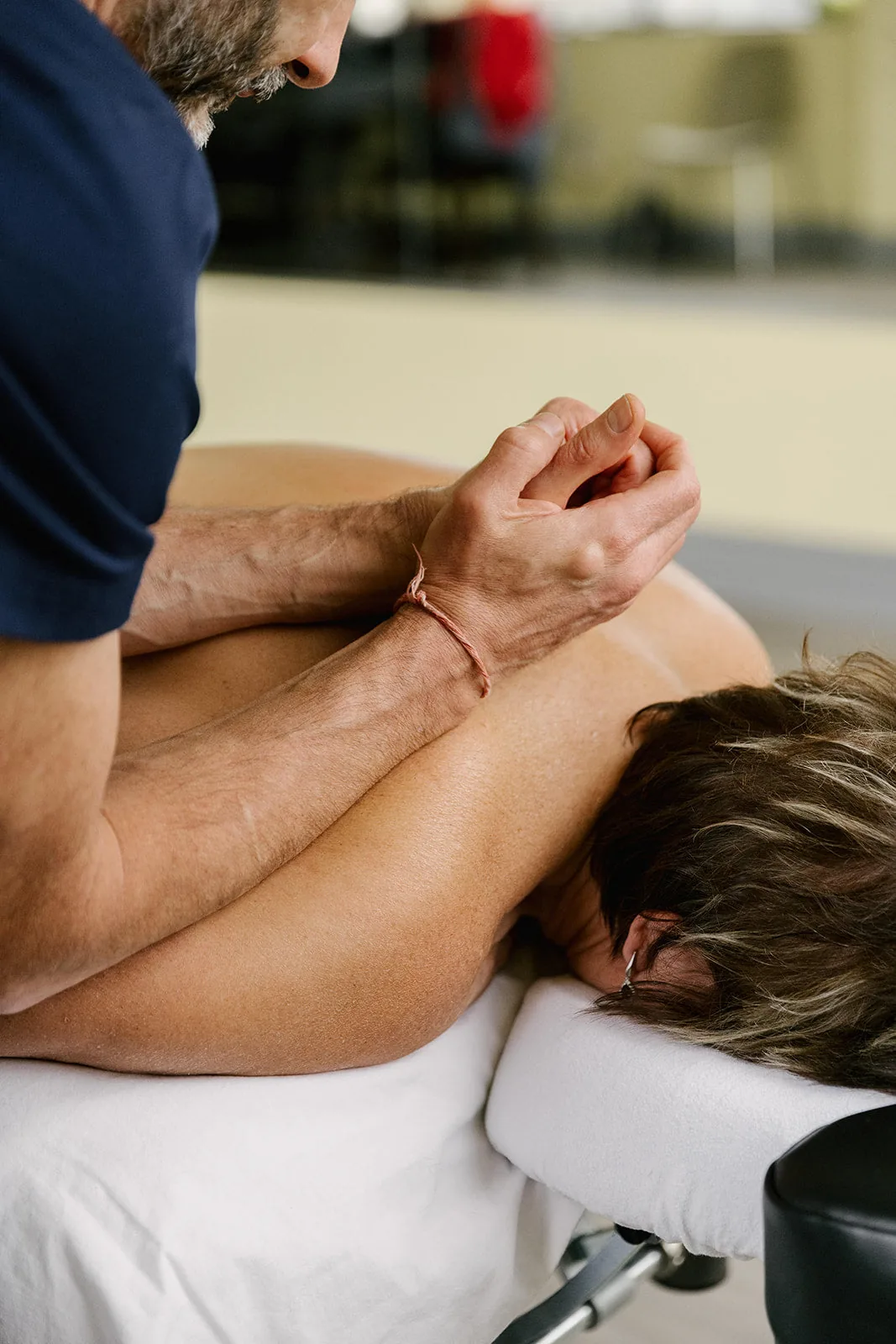
Registered massage therapy at Back to Health combines a full-body massage with focused treatment of the problem areas found in your assessment. Your registered massage therapist works through each layer of tissue, including muscles, tendons, ligaments and joints, to stimulate blood flow and release tension. It can help:
- ease chronic pain
- reduce muscle tension
- increase joint mobility
- support lymphatic drainage
- manage both acute and chronic conditions
2. Swedish massage
Swedish massage is a little gentler than standard therapeutic massage and a good choice if you want something less intense to start with. It is known for the deep relaxation it brings, combining gentle but firm kneading with rhythmic tapping. It is well suited to sore, aching muscles, such as those around an old sports injury, and to people who do not respond well to stronger pressure. Read more in Swedish vs. deep tissue massage.
3. Cupping massage therapy
Cupping has its roots in traditional Chinese medicine. Your therapist places cups on the skin and uses a hand pump to create gentle suction. It is not hot: the suction lifts the skin and underlying tissues slightly into the cup, which increases blood flow to the area and eases muscle tension.
Unlike a traditional massage, which presses into the muscles, cupping gently pulls the tissues upward. Many people find this works well for them, especially for deep muscle pain and during recovery from muscle strain. Learn more about cupping therapy.
4. Deep tissue massage
Deep tissue massage reaches the deepest layers of muscle and connective tissue. Its slow, deliberate strokes target chronic pain, stiffness and mobility problems from stubborn sources, and it may help break down scar tissue after difficult strains and sports injuries. People often book deep tissue massage for:
- chronic back pain
- sciatica
- tennis elbow
- fibromyalgia
- plantar fasciitis
5. Thai yoga massage
Thai yoga massage combines assisted yoga postures with massage techniques. It takes place on a floor mat, in comfortable clothing, while your practitioner guides you through a series of stretches and works along the body’s energy lines (“sen”) and pressure points. It can be especially helpful for back pain, may ease joint pain from arthritis and can improve your overall range of motion. Thai yoga massage is available at our Maple (Vaughan) clinic.
Why massage for chronic pain can help
Massage can help relieve chronic pain in both the short and long term, for several reasons:
- Less muscle tension: tight muscles are a common source of chronic pain and stress, and massage helps them release.
- Better circulation: kneading stimulates blood flow, which helps nourish tissues and may reduce pain and inflammation.
- Natural pain relief: massage encourages the release of endorphins, the body’s natural painkillers, which can bring relief after each session.
- Less stress: calming the stress and anxiety that often come with pain can make pain easier to manage over time.
- Posture and balance: over time, massage can support better posture and help with muscle imbalances by improving flexibility and range of motion.
- Better sleep: the relaxation of a massage often helps people sleep better.
Why it helps to act early
Chronic pain that is left unmanaged often gets worse over time and can lead to reduced mobility, higher stress levels and a lower quality of life. That is why it is worth managing pain early and proactively. Massage therapy is a gentle, non-invasive place to start, and it works well alongside other care such as osteopathy and physiotherapy.
Find the right massage for your pain
Massage therapy at Back to Health can help with many different types of chronic pain. At your first visit, your therapist carries out a thorough assessment to understand your pain and history, so together you can choose the right treatment.
If you live with chronic pain, book a massage at our Maple (Vaughan) or Alliston clinic. Our registered massage therapists are here to help you feel more like yourself again.
Common questions
Which massage is right for me?
It depends on your goal. Deep tissue and sports massage target stubborn tension, old injuries and recovery from training. Swedish massage is gentler and more relaxing. Cupping uses suction cups to release muscle tension and support circulation. Your RMT assesses you first and recommends the best approach.
Is massage therapy covered by my benefits?
Massage from a registered massage therapist (RMT) is covered by many extended health plans. After every visit you receive an RMT receipt to claim from your insurer. Some plans ask for a doctor’s note and each plan sets its own yearly limit, so check your policy first. See fees and insurance.
How long is a massage session?
You can book 30, 45, 60, 75, 90 or 120 minutes. New patients usually start with a 60- or 75-minute visit, so your therapist has time to assess you and plan your care.